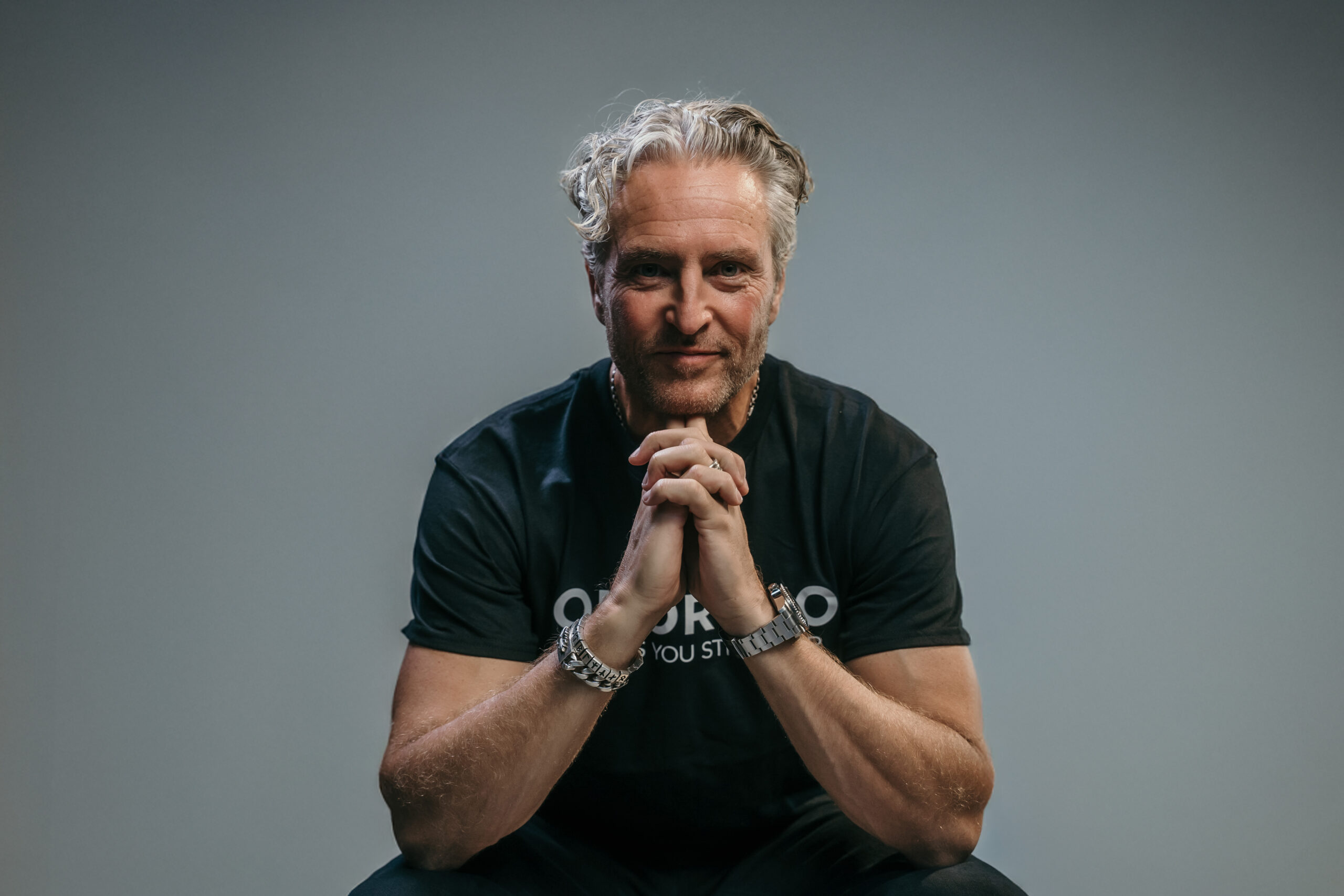
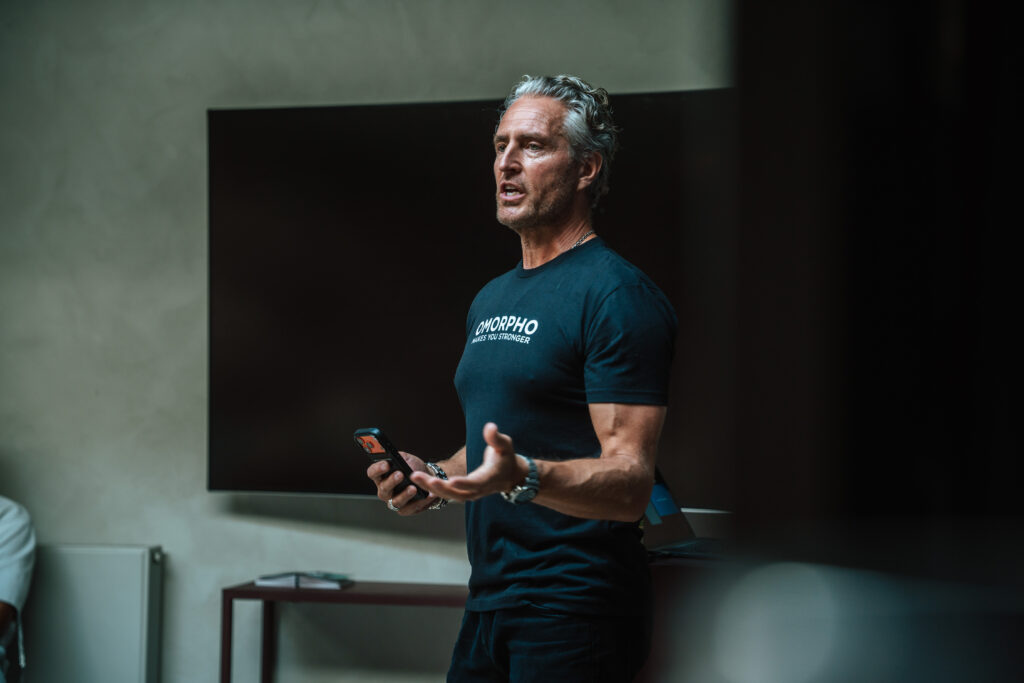
The innovator behind OMORPHO

By Stella Wallander

Posted on
22/06/26

Share article
Get in touch

From helping build one of the world’s most recognized brands, to creating a new category in sportswear

Stefan Olander spent over two decades at Nike, serving as the Vice President of Global Digital Innovation, and was part of taking wearable technology mainstream. In 2017 a grueling fitness experience sparked a new vision, which later pioneered an entirely new category: Gravity Sportswear. Stefan co-founded OMORPHO, and the US based company is now going into a new expansion phase— launching their wearable resistance gear in Europe.
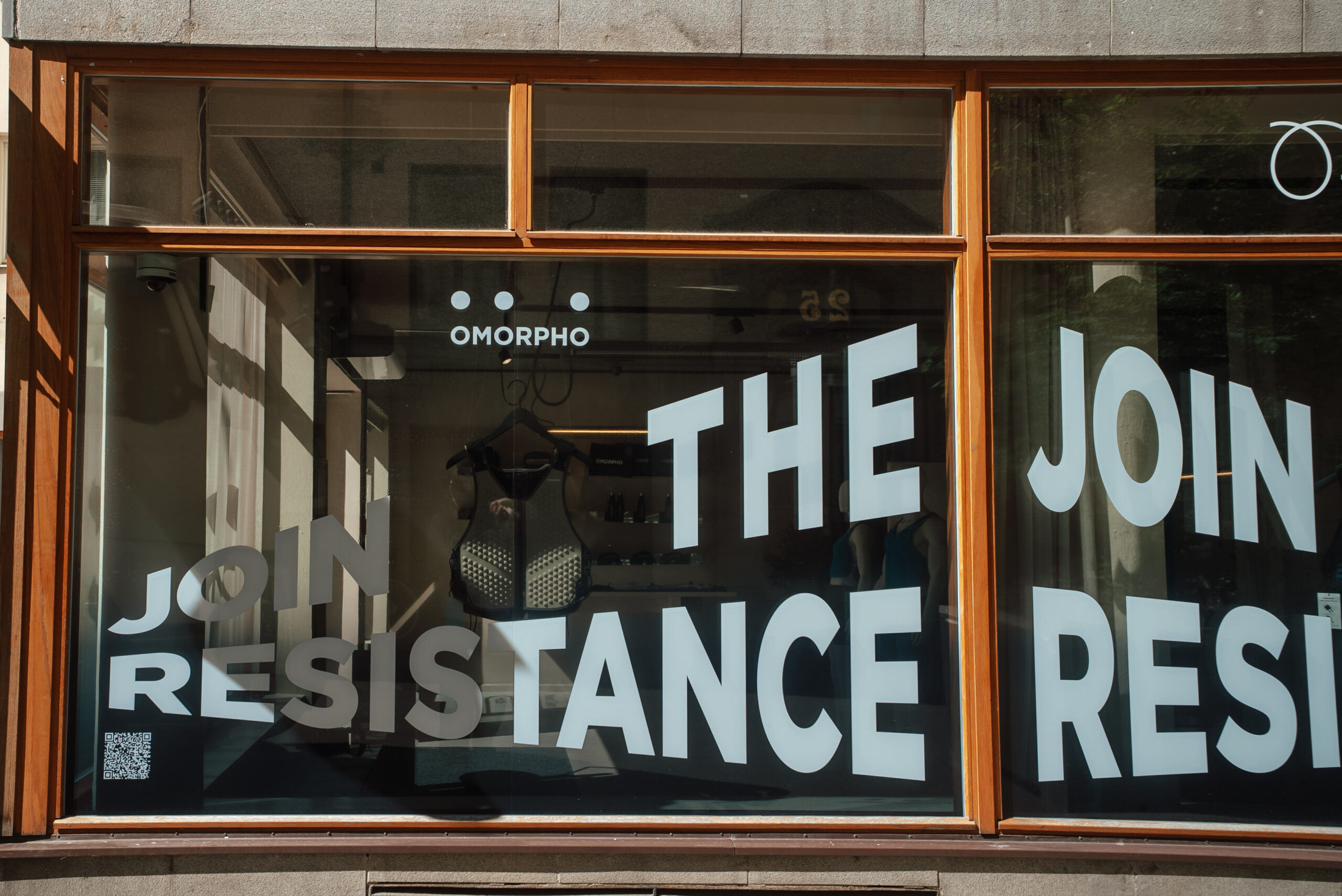
The leap into building a company from scratch came with a surprising realization: launching a brand is not the same as creating one.
“When we started, I thought we were launching a brand. We did what we had done at Nike which is storytelling, emotion, and great content. But consumers are not sitting there waiting for a new brand”, Stefan explains.

Companies do not build brands first, they earn the right to become one

“You launch a product, and then the consumer decides if you are worthy of becoming a brand. The product has to deliver, do something unique, and fill a gap in the marketplace.”

That insight changed the way OMORPHO approached the market. Instead of leading with brand messaging, the company shifted focus toward product benefits, user experiences and proof that the concept worked.

“When I joined Nike, it had already been a brand for over 20 years. You forget that the early years were not about ‘Just Do It’. It was about someone selling shoes from the trunk of a car and explaining why the product mattered.”
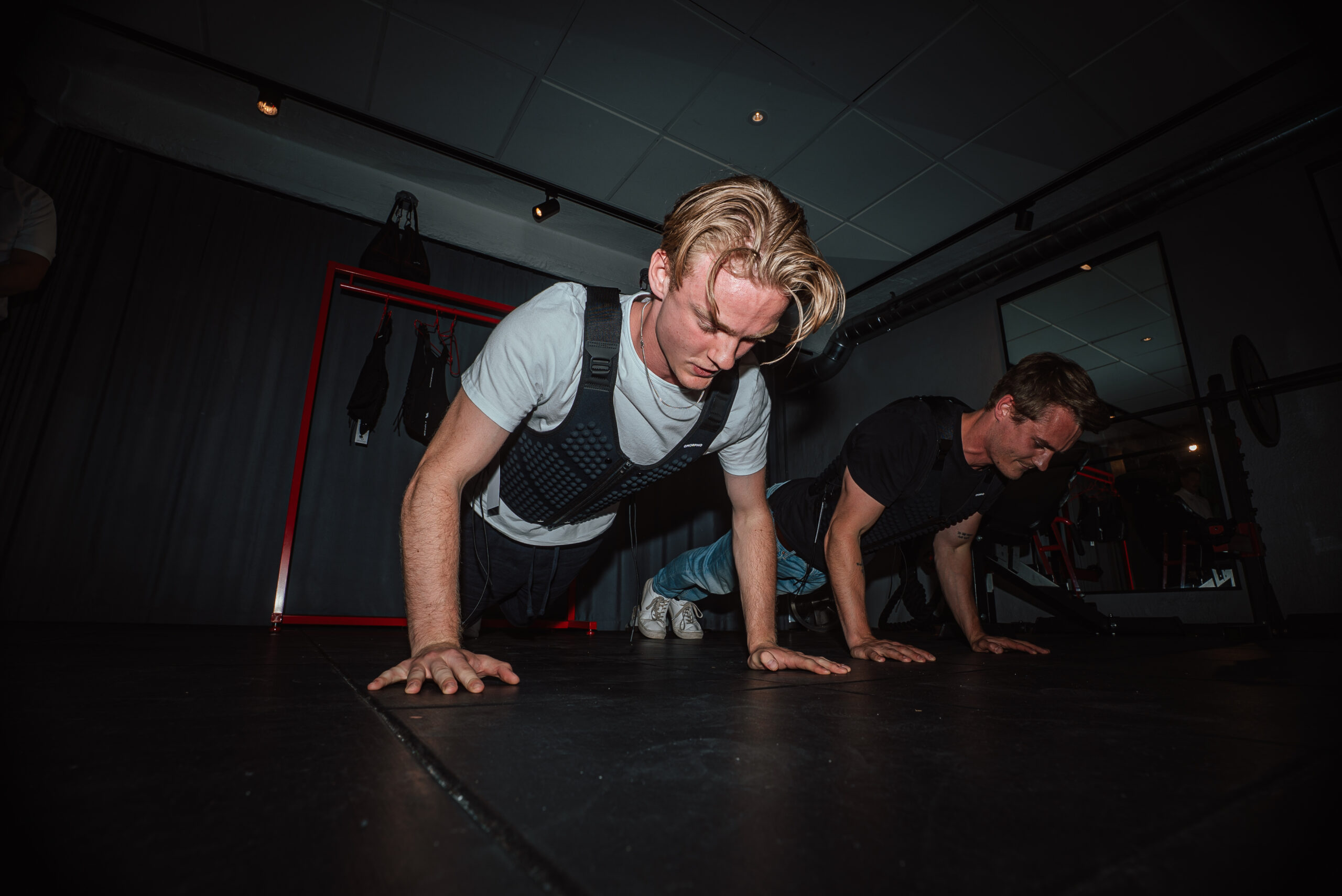
Building a new category around movement

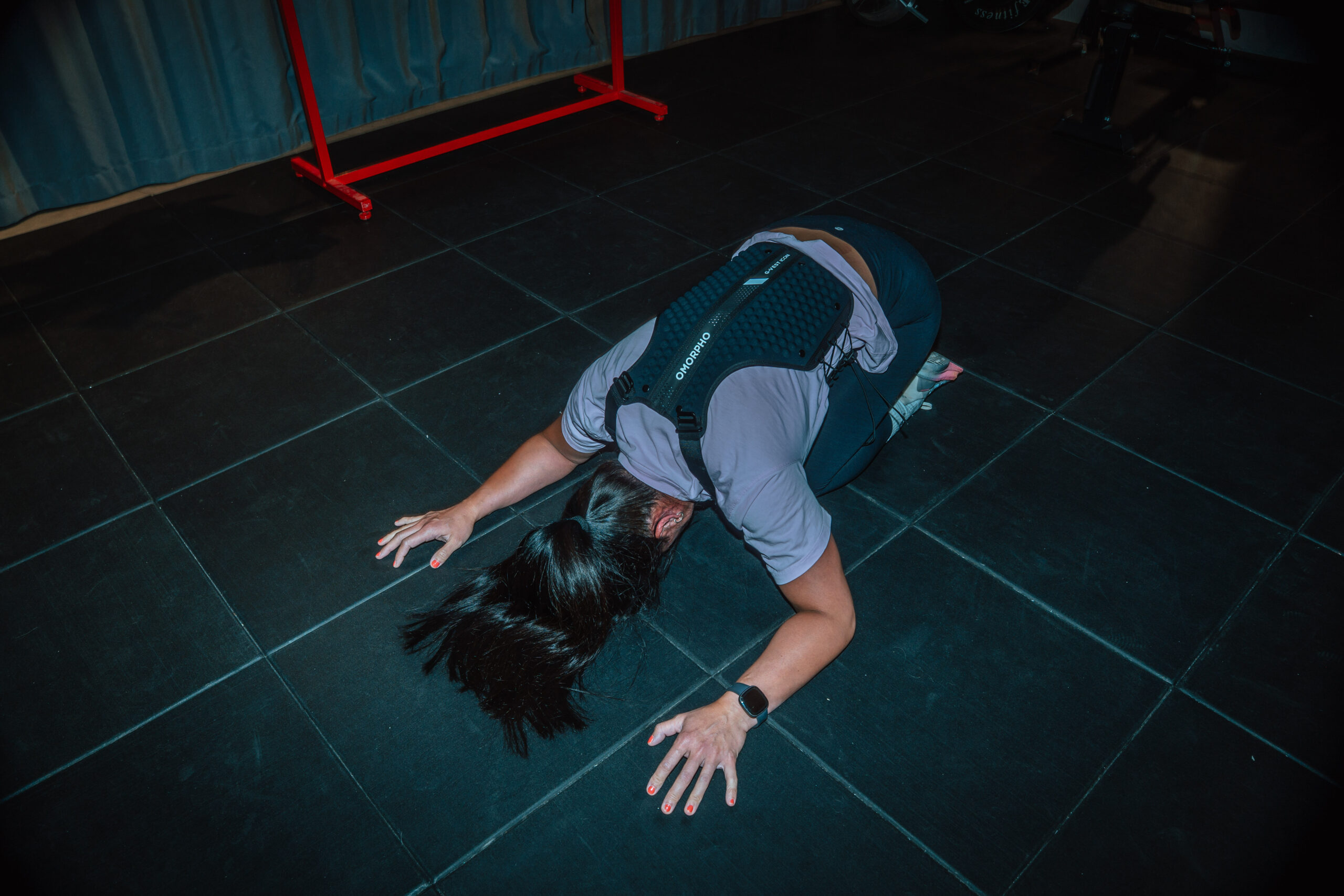
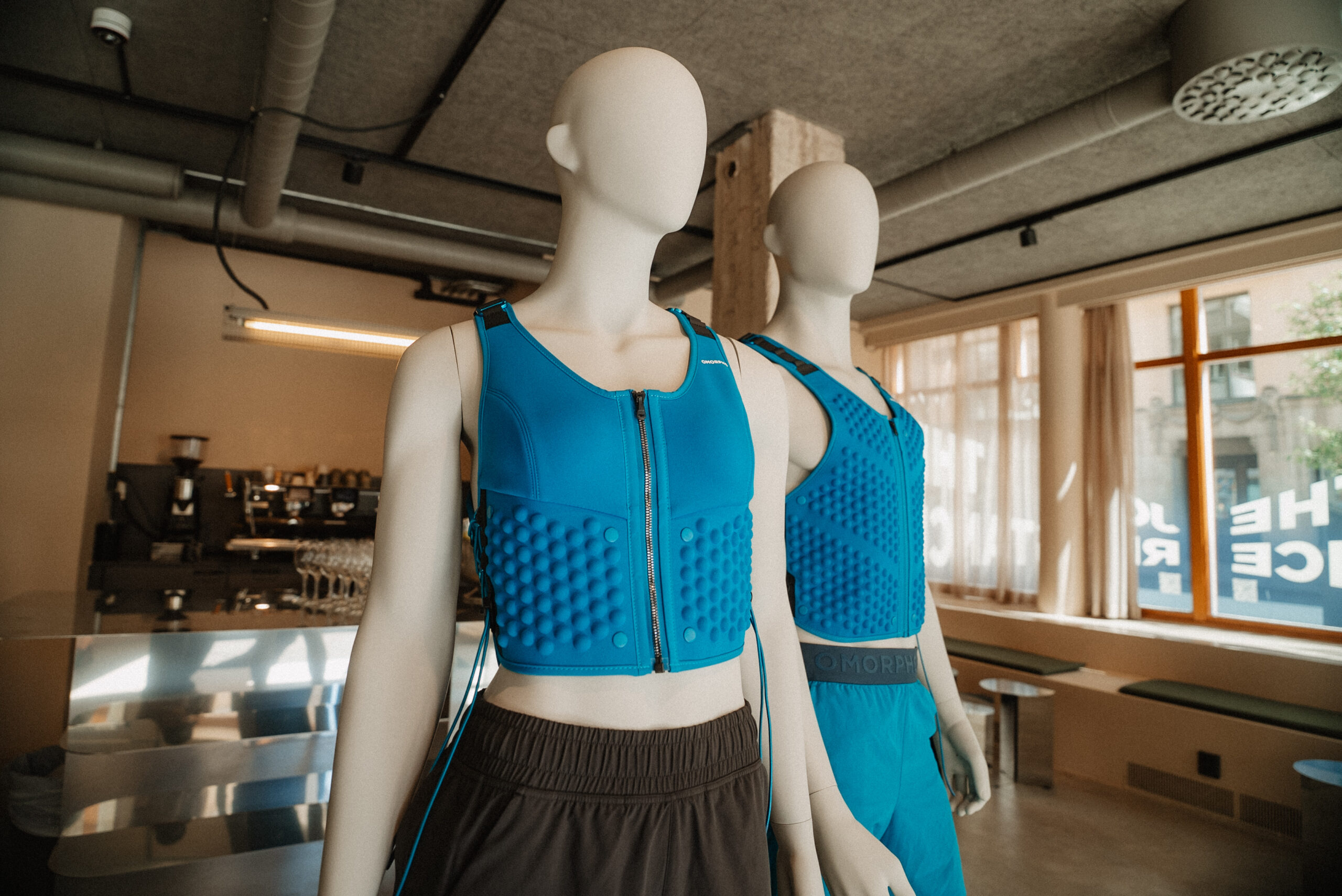
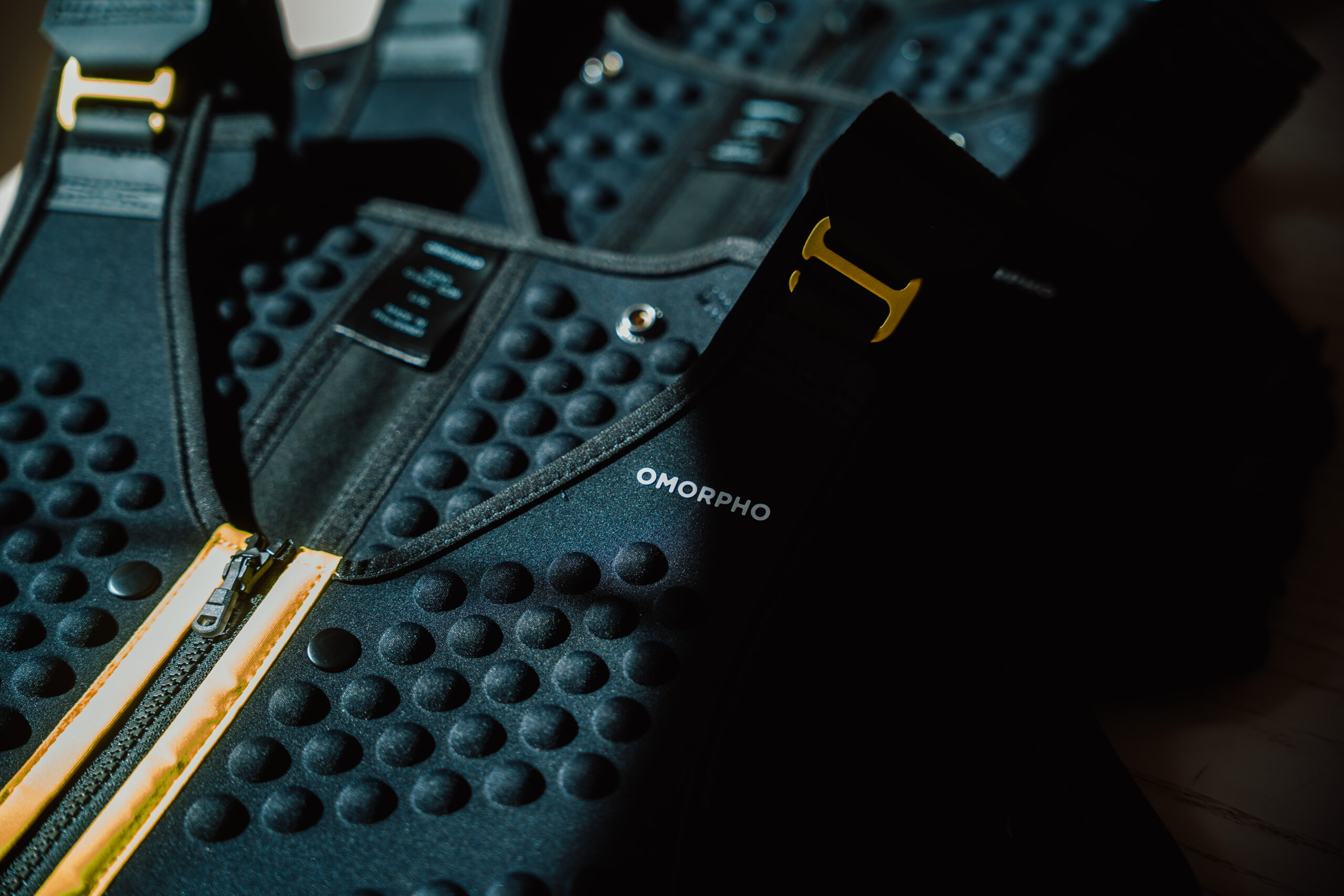
OMORPHO is built around wearable resistance. It’s clothing with evenly distributed micro-weights designed to make everyday movement more challenging. Whether through walking, running or training, the products help users become stronger, fitter and more active.

“We see people using it for everything from walking and bodyweight training at home to completing a Hyrox.”

A major part of building the community has happened through social media, where consumers themselves have become the storytellers.

“Every day we share examples from consumers using the product. What is interesting is the emotional reaction. People often say: ‘I feel like a badass’ or ‘I feel like a superhero’.”

OMORPHO’s ambition is to make people feel they are part of a community.

“We call it ‘Gravity’ which is at the center of everything. Gravity Training, Gravity Running, Gravity Walking”.
Innovation requires real value
For today’s consumers, innovation alone is not enough. It needs to solve a problem or create a meaningful improvement.

“You have to offer value, otherwise people won’t care.”
Stefan speaks about the rise of newer running brands as an example of how consumers are looking for alternatives.

“There is a huge appetite for something new. Brands can come in with a fresh energy and attitude, but they still need to deliver an amazing product.”

In wearable resistance, OMORPHO sees an opportunity to define a category of its own.
“There are weighted vests, but they have a very different positioning. We are not about carrying 20 or 30 kilos. For us it is about micro-loading and evenly distributed weight.”
You launch a product, and then the consumer decides if you are worthy of becoming a brand


The Nordic approach in an American environment

Coming from Sweden and entering the culture of an American sports giant has impacted Stefan’s leadership style.

“When I joined Nike, I was struck by how vibrant and confident the culture was. People were very expressive and energetic.”

The contrast also highlighted a strength he brought from his Swedish background.

“Swedes are often more thoughtful. We are not always the loudest in the room, we process and think before we speak.”

That balance, he believes, became an advantage in an international environment.

“You need to speak up to be heard, but if you are only loud and there is no substance, that does not always work. A Nordic approach can bring a different perspective.”

Why physical retail still matters

Despite the rise of e-commerce, physical experiences remain essential. Especially for emerging brands.

“You cannot convey emotion and trust through a digital screen.”

When OMORPHO launched, the company initially focused on direct-to-consumer sales online. But physical experiences have proved their value.The company hosted demos, partnered with gyms, and attended running events.

“We did a pop-up in Portland for three months. We did not sell huge volumes in the store, but our digital sales increased dramatically because people saw that we existed in the real world.”

For products connected to emotion and identity, physical presence will always remain powerful.

“If you are selling something people feel connected to, physical retail is going to be huge.”

Entering Europe with a sharper focus

As OMORPHO expands from the US into Europe, the company goes in with a flexible approach. The core categories remain universal but there are differences in sports culture.

“The US and Europe have different sports landscapes. Football is huge here, while basketball, American football and baseball dominate much of the US.”

The European strategy will initially focus on the UK and the Nordics, with running and training as the main entry points.

“Walking, running and training happen everywhere. The question is how we communicate around them. It’s one of those things where we’ll have to see and learn from.”

One lesson from the US launch was that trying to appeal to everyone can make a new brand less clear. The company activated dancers, actors, athletes and different types of users.

“The challenge was that if you are a little bit of everything, you are not sharp enough when launching.”

From digital innovator to category pioneer

Stefan’s early belief in digital transformation during his career at Nike shaped his trajectory.
Before smartphones and social platforms became central, he saw an opportunity to create a more locally relevant digital experience. At the time, Nike’s global platforms were largely built around US campaigns which did not always translate internationally.

“I created a presentation of what I thought it should be, without anyone asking me.”

That initiative eventually led to a new role, moving to the Netherlands to build Nike’s European digital platform.

“That became the turning point in my career. I became ‘the digital guy’ at Nike.”
Later, he helped build Nike’s Digital Sport division, growing it from a small team into a major innovation unit working with technology, connected products and digital experiences. But after decades inside one of the world’s strongest brands, he had an urge to build something of his own. Yet, leaving the security of Nike was still a bold decision.

“You have a great job, a great company behind you, and then suddenly it is just you. You have to convince investors that this idea is worth believing in.”

For OMORPHO, the gamble has so far paid off.

“We have doubled revenue every year and created a category, which was the dream.”
One defining decision. From helping build one of the world’s most recognized brands, to proving that a new one can earn its place.

Talk
to

us

Subscribe to our newsletter. Get valuable strategy, culture, and brand insights straight to your inbox.

By signing up to receive emails from Workshop, you agree to our Privacy Policy. We treat your info responsibly. Unsubscribe anytime.

Main office

WorkShop

hello@work-shop.com +46 84 42 00 30

Creative Services

Johannes Lagerås

johannes.lageras@work-shop.com +46 707821109

Client Inquiries

Damian Herbert

damian.herbert@work-shop.com + 46 735 466 124