


In this edition of Weekly Curiosities…
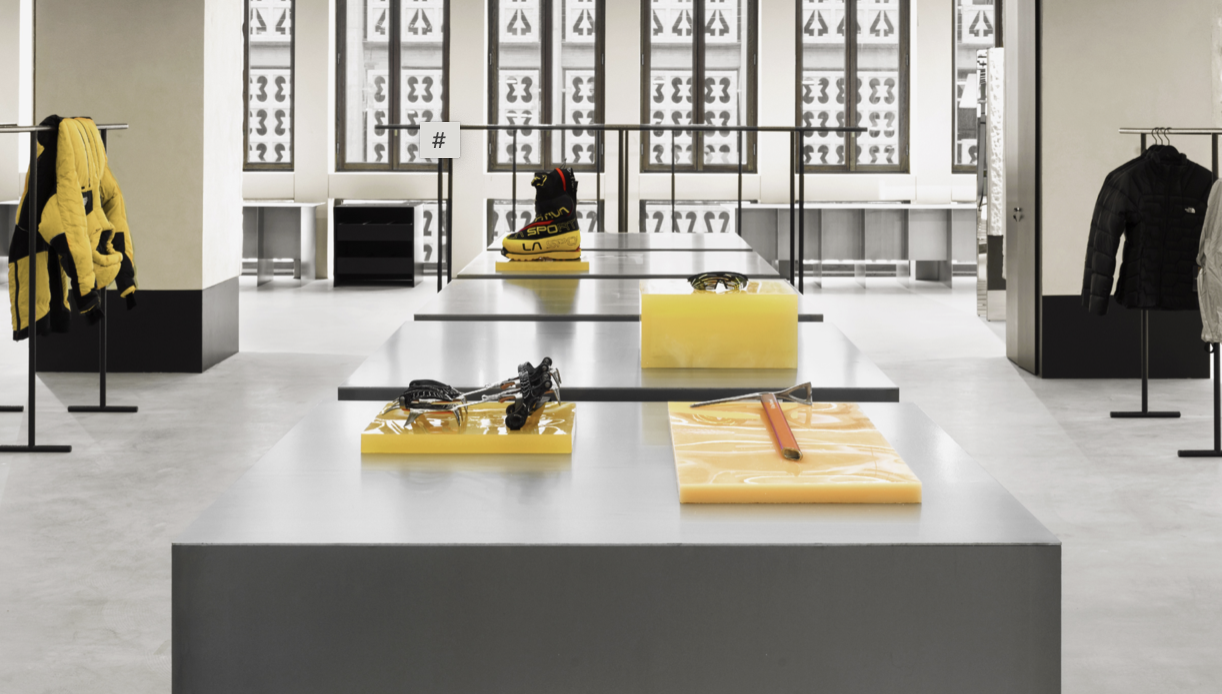
…we’re exploring how retail continues to move beyond the transaction and into spaces shaped by experience, service, and intelligence. One story looks at the rise of agentic commerce, where AI begins to act on behalf of consumers, reshaping how decisions are made and value is delivered. Another focuses on the smart physical store, where edge computing enables environments that respond in real time, adapting content, flow, and service as people move through space.
Together, these shifts point to a future where retail becomes less about static touchpoints and more about responsive systems. A world where brands don’t just sell, but sense, support, and anticipate, creating value that feels embedded in the experience rather than added on top of it.
Thanks for reading, and stay curious.
When Luxury No Longer Guarantees Quality
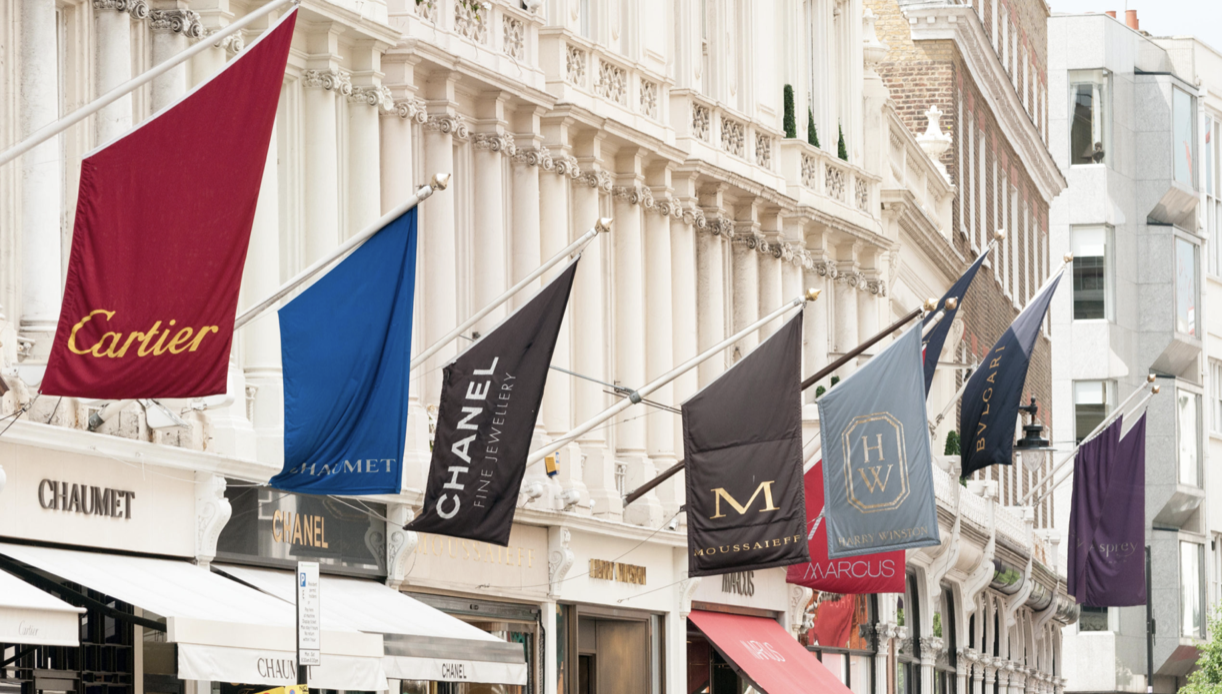
BRAND STRATEGY: Luxury is facing a credibility challenge. According to a recent consumer survey, more shoppers are questioning whether high price still equals high quality, and many say the connection has weakened. Rising prices, faster product cycles, and visible cost-cutting have left consumers feeling that craftsmanship and longevity are no longer a given, even at the top end of the market.
What’s striking is that this shift isn’t driven by bargain hunters, but by loyal luxury customers themselves. Shoppers report frustration with declining materials, inconsistent sizing, and products that don’t live up to their promise over time. As a result, value is being redefined: durability, repairability, and thoughtful design are becoming just as important as brand name and status.
The slowdown in luxury spending is forcing brands to confront a simple truth. In a more informed, more skeptical market, storytelling alone isn’t enough. To earn trust, and justify their position, luxury brands may need to return to the fundamentals that built their reputation in the first place: quality that can be felt, used, and lived with over time.
Hasbro Trains Future Leaders Through Play
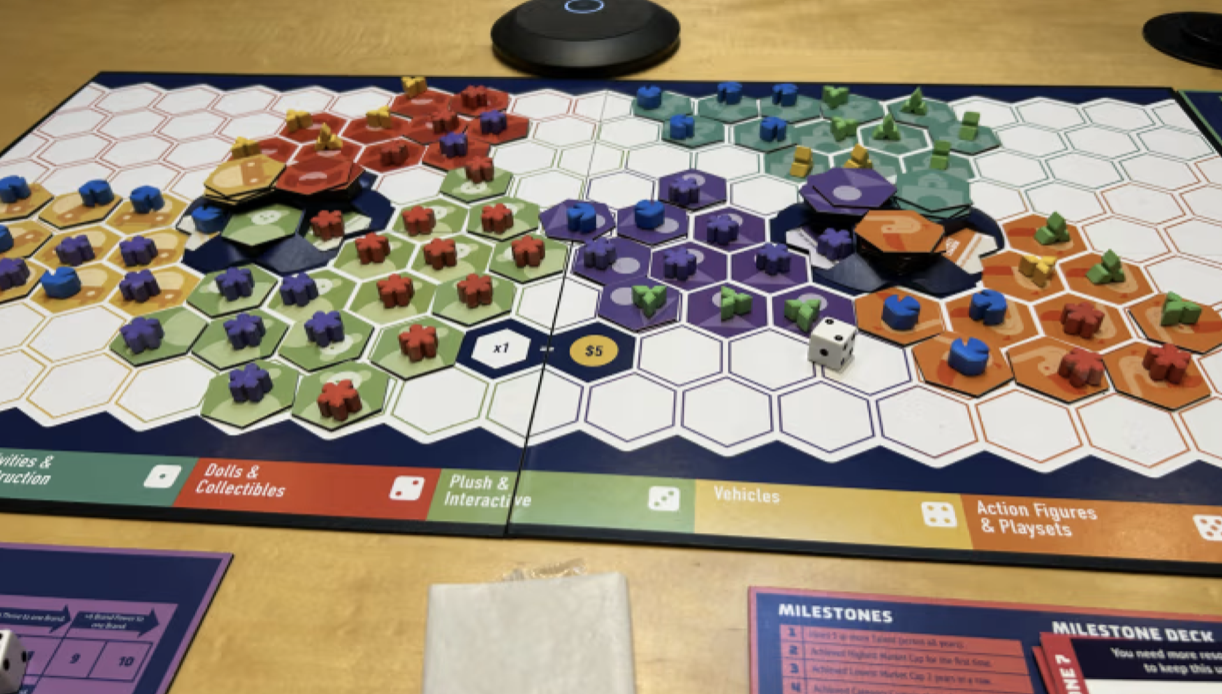
BRAND STRATEGY: Hasbro has found an unconventional way to train its next generation of leaders, by turning management challenges into a board game. Instead of traditional leadership courses or slide decks, the company uses a physical, game-based format where employees navigate real-world business scenarios, make decisions, and experience the consequences together.
The game is designed to mirror the complexity of running a global brand: balancing creativity, risk, collaboration, and long-term thinking. By placing leaders around a table rather than in a classroom, Hasbro encourages discussion, strategic thinking, and shared problem-solving, skills that are often harder to teach through standard corporate training.
What makes the approach notable is its simplicity. In an era dominated by digital tools and AI-driven learning, Hasbro leans into something tactile and social. The board game creates space for reflection, conversation, and human interaction, turning leadership development into something experiential rather than theoretical.